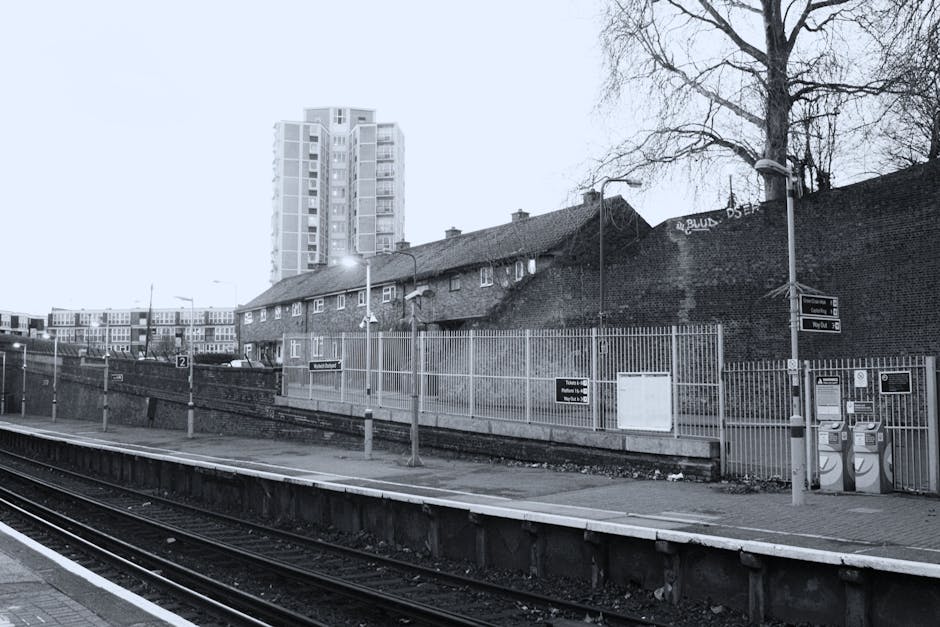
Dagenham Heathway station narrow street removals solutions: a practical guide for tight-access moves
Moving near Dagenham Heathway station can be awkward in a very specific, very London way. Narrow streets, parked cars, awkward corners, flats above shops, and the usual rush of people coming and going can turn a simple removal into a careful little puzzle. That is exactly why Dagenham Heathway station narrow street removals solutions matter: they help you move safely, keep disruption down, and avoid the sort of delays that make moving day feel longer than it already is.
Whether you are shifting a few boxes from a flat, moving a whole household, or just need a smart way to get furniture out without scraping walls and doorframes, the right approach makes all the difference. In this guide, we will walk through how narrow-street removals work, what to watch out for, and how to plan a move that feels organised rather than chaotic. Truth be told, a little preparation goes a long way here.
Why Dagenham Heathway station narrow street removals solutions matters
Narrow streets change everything. A van that would be fine on a wider road can become a problem when traffic is steady, kerbs are tight, and there is barely space to manoeuvre. Near a station, you also have buses, pedestrians, delivery vehicles, and the general stop-start rhythm of local travel. If you have ever stood on a pavement with a wardrobe, a trolley, and a deep sigh, you already know the feeling.
These moves matter because the risks are not just inconvenience. Tight access can mean longer carrying distances, more chance of damage, and more pressure on timing. It can also increase stress for neighbours if pavements or access routes are blocked for too long. A well-planned approach keeps things calmer for everybody.
In practical terms, Dagenham Heathway station narrow street removals solutions usually combine smart vehicle choice, careful packing, route planning, and sometimes storage support. For some homes, especially upper-floor flats, it can be wiser to split the job into stages rather than trying to force one giant move through a difficult space. If you are juggling this with work, childcare, or a lease deadline, the value of that flexibility is obvious.
Key takeaway: in tight-access locations, the most efficient move is not always the biggest van or the fastest crew. It is the move that fits the street, the building, and your timetable.
How these removals solutions work
A narrow-street move works best when it is treated like a logistics job, not just a lifting job. The process starts with understanding the access: road width, parking options, loading distance, staircases, lift access if any, and whether the property sits on a corner or a one-way stretch. That sounds obvious, but people skip it all the time and then wonder why moving day feels improvised.
Once access is understood, the removal plan usually focuses on five things:
- Vehicle sizing: choosing a van that can actually reach the property without causing problems.
- Load sequencing: putting the right items near the exit so the move runs in a sensible order.
- Packing protection: using blankets, covers, wraps, and sturdy boxes to prevent knocks.
- Time management: scheduling around local traffic, neighbour access, and building rules.
- Fallback planning: using short carry distances, shuttle loading, or storage if the street is too tight for one full collection.
In many cases, the move is not about one vehicle making one perfect stop. It is about a series of controlled steps. A smaller van may ferry items to a larger vehicle or storage point. Or the team may park a little further away and use sack trucks and furniture dollies to bridge the gap. It is not glamorous, but it works.
If you are comparing moving support, services such as man and van assistance and small removals are often useful where streets are tight and the job does not require a full-size removal lorry. For bigger home moves, house removals or flat removals can be more suitable, especially when you need extra handling for stairs and awkward access.
Key benefits and practical advantages
The biggest advantage is simple: less friction on moving day. When a removals plan is tailored to a narrow street, you reduce the little problems that stack up into bigger ones. Fewer detours, fewer waits, fewer last-minute panics. Honestly, that alone is worth planning for.
- Lower damage risk: careful handling reduces bumps to furniture, walls, and doorframes.
- Better timing: a smart schedule helps avoid peak congestion around the station area.
- Less carrying strain: shorter, more efficient loading paths help protect items and people.
- Improved neighbour relations: organised moves are less disruptive on shared streets.
- More flexibility: storage and split deliveries can make difficult access much easier to manage.
There is also a quieter benefit that people sometimes overlook: peace of mind. When you know the plan fits the street, you stop second-guessing every part of the day. That mental relief can be huge, especially if you are already dealing with completion dates, rental deadlines, or a work schedule that refuses to be kind.
For some households, pairing removals with removals and storage is the neatest solution. If the new place is not ready, or if you simply do not want every item squeezed through a tight street on the same day, storage creates breathing room. In a pinch, short-term storage can take pressure off the move without forcing rushed decisions.
Who this is for and when it makes sense
This kind of move is not only for people living directly beside the station. It is relevant to anyone dealing with restricted access, limited parking, narrow terraced roads, or properties where the front door is a long way from the nearest safe stopping point. If your building has a tight stairwell, heavy communal doors, or awkward entry controls, you are in the same broad category.
It is especially sensible for:
- flat dwellers and renters moving in or out of upper floors
- households with bulky furniture or fragile items
- students moving between term-time accommodation and storage
- small businesses shifting stock, files, or office furniture
- people who need a same-day move but can only access the property from a narrow road
Students often benefit from a simpler plan with student storage or a compact vehicle arrangement, especially if move-out day lands during a busy weekend. Small business moves can be a different sort of headache altogether. For those, office removals and business storage can help if the office is in a tight parade or above street level.
If the move is just a few items, or a sofa, or one very stubborn chest of drawers that seems to have been built in another century, a small removals option may be all you need. No need to overcomplicate it.
Step-by-step guidance
A good narrow-street move is planned in stages. Here is the practical version that tends to work well.
- Survey the access. Measure the route from the property to the vehicle point. Note steps, corners, bollards, railings, and any places where two people cannot pass easily.
- List the awkward items. Wardrobes, mattresses, mirrors, desks, and large appliances need special thought. These are the things that usually create the "oh dear" moment.
- Choose the right service level. Decide whether you need full removals, a man and van, or a mixed approach with storage.
- Pack for carry distance. Use sturdy boxes, taped lids, and labels. Heavier items should be kept in smaller boxes so they are easier to lift on stairs.
- Reserve loading space where possible. If there is legal parking nearby, plan early so the team can work without improvising on the day.
- Stage the load. Put frequently needed items together and keep essentials accessible. Nothing is more annoying than hunting for bedding at the bottom of the pile.
- Use protection properly. Blankets, straps, and corner protection help a lot when moving through tight hallways or along a narrow pavement.
- Keep a backup option. If access turns out worse than expected, be ready to move part of the load into storage or complete the move in two trips.
If you want to reduce the amount of lifting on the day itself, packing services can be a real help. They are especially handy when you are moving a mix of fragile and everyday items and do not want to spend three evenings surrounded by tape and cardboard. Been there, regrettably.
Expert tips for better results
The best narrow-street moves usually share a few habits. They are not flashy, just effective.
- Move early in the day if possible. Streets near transport links often get busier as the morning goes on.
- Keep the loading route clear. Even a couple of bins or planters can slow things down when the pavement is already tight.
- Separate essential items. Kettle, chargers, medication, and a change of clothes should travel with you, not in a deep pile.
- Take photos before disassembly. It sounds mundane, but it saves time when rebuilding furniture later.
- Use smaller loads for awkward access. It is often faster to make one extra trip than to battle with a van that does not fit comfortably.
- Plan around neighbours. A quick heads-up can prevent complaints and makes the whole move feel more considerate.
One thing that helps enormously: overestimate the awkwardness a little. If you think a doorframe will be tight, assume it is tighter. If you think the corner will be awkward, assume it is worse. That sounds pessimistic, but it usually saves time and a lot of swearing under your breath. Which, let's be fair, is no bad thing.
For furniture-heavy homes, furniture storage can be a practical halfway house if the new property is not ready or if oversized items would otherwise complicate the first delivery. For bigger household transitions, household storage gives you room to move at a calmer pace.
Common mistakes to avoid
Most moving problems in narrow streets are predictable. That is the annoying part. The good news is that predictable problems are also avoidable.
- Assuming a large van is automatically better. Sometimes a smaller vehicle is more efficient because it can access the street more easily.
- Ignoring walking distance. A short street walk is manageable; a long carry from the nearest legal stop is another matter entirely.
- Not checking building restrictions. Some flats and shared buildings have time windows or access rules that affect the move.
- Packing too heavily. Overfilled boxes become a nightmare on stairs, especially when turning corners.
- Leaving everything until the last minute. Last-minute packing always feels simpler the day before. On the day itself, not so much.
- Forgetting storage as a fallback. If access or timing becomes difficult, storage can save the move from turning messy.
There is also a subtle one: under-communicating. If you do not tell the removals team about a tricky entrance, a locked gate, or a low ceiling in the stairwell, they cannot plan for it. It is better to sound over-cautious than to discover the issue while a sofa is halfway through the doorway. Not ideal.
Tools, resources and recommendations
You do not need a warehouse of specialist kit for this kind of move, but a few practical tools make a noticeable difference.
- Furniture blankets and wraps: protect surfaces from scuffs and scratches.
- Ratchet straps or load straps: keep items stable in transit.
- Sack trucks and dollies: useful for boxes, appliances, and repeated short carries.
- Mattress covers and sofa protectors: especially helpful in wet weather or dusty communal areas.
- Strong tape and labels: simple, but very effective for keeping boxes manageable.
On the service side, it can help to match the job to the right type of support. Local removals are often the right fit for short-distance moves around Dagenham Heathway and surrounding streets. Removals is the broader option when the job is larger and needs a more complete service. If you are moving a flat with stairs and limited access, flat removals may be the more sensible starting point.
For people who want to keep the move flexible, mobile self storage can reduce the pressure of carrying everything in one go. It is particularly useful if you are in a narrow street and want items collected, stored, and delivered without overloading the day.
Law, compliance, standards, and best practice
Any move that happens on public roads or shared access routes should be handled carefully and in line with normal UK expectations for safety, parking, and property access. Exact rules can vary by location and property type, so it is sensible to check local requirements where relevant rather than assume a one-size-fits-all answer.
From a practical perspective, best practice usually means:
- not blocking pavements or entrances for longer than necessary
- using safe lifting methods and sensible team sizes
- protecting items so they do not damage common areas or doorways
- confirming parking or access arrangements before the day if possible
- making sure insurance and safety arrangements are clear
If you are comparing providers, it is reasonable to ask how they handle access issues, what their approach is to safety, and whether they have clear insurance and handling practices. A reputable mover should be comfortable explaining this in plain English. You should not need a translation guide.
For reassurance on business conduct and process, you can also review insurance and safety information, health and safety policy, and terms and conditions. If your move involves holding items for a while, it is worth understanding the storage side too, including secure storage and long-term storage where relevant.
Options, methods, and comparison table
Different move types suit different access problems. Here is a simple comparison that may help you decide what is sensible for your situation.
| Option | Best for | Strengths | Watch-outs |
|---|---|---|---|
| Man and van | Small to medium moves, single trips, flexible access | Agile, often easier in tight streets, good for short-distance work | May need more trips for larger loads |
| Small removals | Few items, student moves, partial house moves | Practical, focused, usually less disruptive | Not ideal for full household moves |
| Flat removals | Upper-floor homes, stair-heavy access, compact buildings | Designed for tricky access and shared spaces | Needs good packing and planning |
| Removals and storage | Moves with timing gaps, staged relocation, decluttering | Creates flexibility and reduces pressure | Requires decisions about what stays stored and for how long |
If you are unsure, start by asking: do I need speed, flexibility, or simply less stress? The answer usually points you toward the right method. There is no prize for making the job harder than it needs to be.
Case study or real-world example
A typical scenario near Dagenham Heathway station goes like this. A couple moves out of a two-bedroom flat above a small parade of shops. The road is narrow, parking is limited, and the stairwell is tight enough that one person has to pause on the landing to let the other pass. Nothing dramatic, just inconvenient in a very ordinary way.
Instead of booking a large vehicle and hoping for the best, they use a smaller, more flexible moving setup. Fragile items are packed the evening before. The sofa is wrapped. Boxes are labelled by room. The heaviest items are loaded first while the street is quieter in the morning. A few items that they do not need immediately are placed into short-term storage, which means the new flat does not become crowded on day one.
The result is not flashy. That is the point. No one is racing up and down stairs in a panic. No one is trying to swing a wardrobe around a corner that clearly hates wardrobes. The move finishes steadily, and by evening the place is livable. Small win, big relief.
If that sounds familiar, you are not alone. Many moves in tight-access parts of Dagenham become much easier when the plan respects the street rather than fighting it.
Practical checklist
Use this checklist to keep things tidy before moving day.
- Measure the access route from property to vehicle point
- Check for stairs, lifts, corners, and low ceilings
- Confirm what parking or stopping space is available
- Separate essential items you will need immediately
- Label boxes clearly by room and priority
- Wrap furniture and fragile pieces properly
- Decide whether you need storage for overflow or delays
- Choose a service that suits the volume of items, not just the name
- Tell the movers about any access quirks in advance
- Keep keys, documents, and chargers with you
Get a free quote today and see how much you can save.
Conclusion
Dagenham Heathway station narrow street removals solutions are really about making a complicated move feel manageable. When access is tight, the right combination of planning, vehicle choice, packing, and backup storage can save time, protect your belongings, and keep the day far calmer than it would otherwise be.
The biggest mistake people make is assuming the move has to be done one way. It usually does not. A smaller van, a staged load, a bit of storage, or a flat-focused removals plan can turn a stressful squeeze into a workable process. And once you have done it properly, you do feel the difference.
Take your time, ask the right questions, and choose the setup that fits the street you are actually moving on. That is the real trick. One good plan, done properly, can change the whole day.
Frequently Asked Questions
What are Dagenham Heathway station narrow street removals solutions?
They are removal methods designed for tight-access roads near Dagenham Heathway station, where parking, loading, and turning space may be limited. The aim is to move belongings safely with as little disruption as possible.
Do I need a small van for a narrow street move?
Often, yes. A smaller or more flexible vehicle can be easier to position and may reduce problems with parking and loading. That said, the right size depends on your load, the street layout, and how far items must be carried.
Are removals near a station usually more expensive?
Not always, but tight access can affect the time and effort required. The cost will usually depend on the size of the job, access difficulty, and whether storage or extra handling is needed.
What if the van cannot park close to my property?
That is common in narrow streets. In that case, the team may use a shuttle approach, carry items a shorter or longer distance, or use alternative loading arrangements. Planning this in advance matters a lot.
Is storage useful for narrow street removals?
Very often, yes. Storage gives you flexibility if access is difficult, the new property is not ready, or you want to split the move into smaller, calmer stages.
What is the best type of service for a flat move in a tight street?
Flat removals is often the best starting point, especially if you have stairs, shared entrances, or limited loading space. For smaller jobs, man and van support may be enough.
How far in advance should I plan this kind of move?
The earlier, the better. Even if the move itself is simple, access issues near a station can make timing more sensitive than usual. A little lead time helps with packing, parking, and route planning.
Can packing services help with narrow street removals?
Yes. Proper packing reduces damage risk and makes loading quicker, which is especially valuable when space is limited. It also makes handling awkward items much easier.
What items are most difficult in tight-access moves?
Large sofas, wardrobes, mattresses, mirrors, and appliances tend to cause the most trouble. They are bulky, awkward to turn, and more likely to get damaged if the route is cramped.
How do I know whether I need small removals or full removals?
Think about the volume of items and how much help you need. If it is just a few pieces or a partial move, small removals may be enough. If you are moving a full home, house removals is usually more appropriate.
Can business moves near Dagenham Heathway be handled the same way?
In principle, yes, but office or stock moves may need extra care around files, equipment, and downtime. Office removals and business storage can help keep everything organised.
What is the simplest way to reduce stress on moving day?
Start with a realistic plan. Pack early, label clearly, choose the right vehicle size, and keep a backup option like storage in mind. Calm planning beats last-minute heroics almost every time.
If you are still weighing up the best route, it may help to explore pricing and quotes, then decide whether your move is best handled as a standalone removal or as part of a removals-and-storage plan. When in doubt, ask for the option that fits your street, not just your calendar.